


Understanding PCOS and PCOD: From Hormones to Healing with Ayurveda
Mental Wellness | Ayur AI
Dr. Prathiban R ,B.A.M.S., MSc, Ph.D
Updated on September, 27, 2024
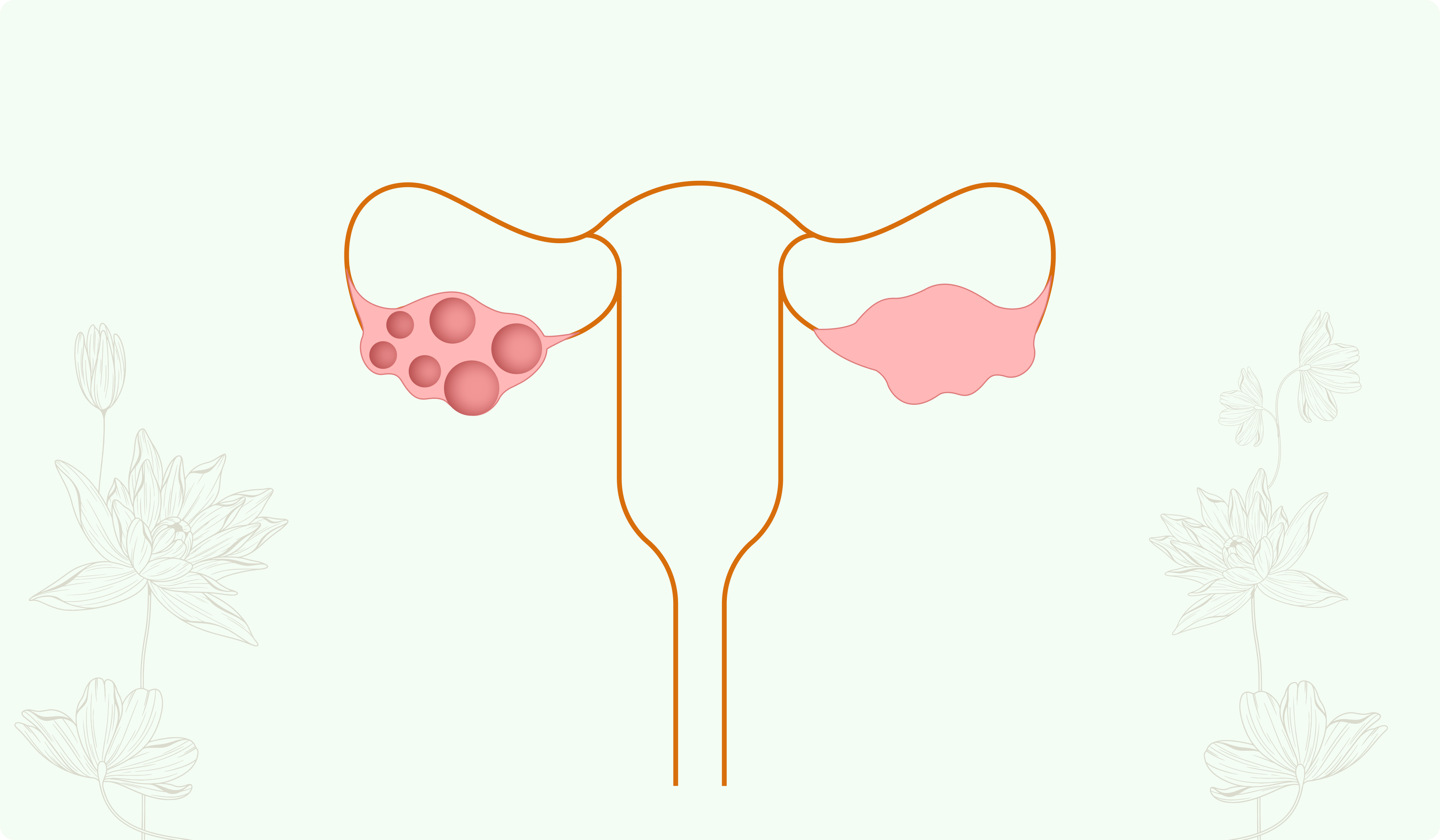
Polycystic Ovarian Syndrome (PCOS) and Polycystic Ovarian Disease (PCOD) are two common yet complex health conditions that affect the hormonal balance in women, leading to issues with the ovaries, menstrual cycles, and overall health. These conditions impact millions of women globally and are a leading cause of infertility. While often used interchangeably, PCOD is considered a milder form, where the ovaries produce immature eggs, turning into cysts, whereas PCOS is a more severe metabolic disorder. Both conditions result in symptoms like irregular periods, weight gain, excessive hair growth, acne, and fertility problems. PCOS/PCOD is rooted in hormonal imbalances that disturb the normal functioning of the ovaries. This article delves into the key hormones involved, their roles in PCOS/PCOD, the symptoms of these conditions, and how Ayurveda views and manages them for holistic health improvement.

Role of Hormones in PCOD/PCOS

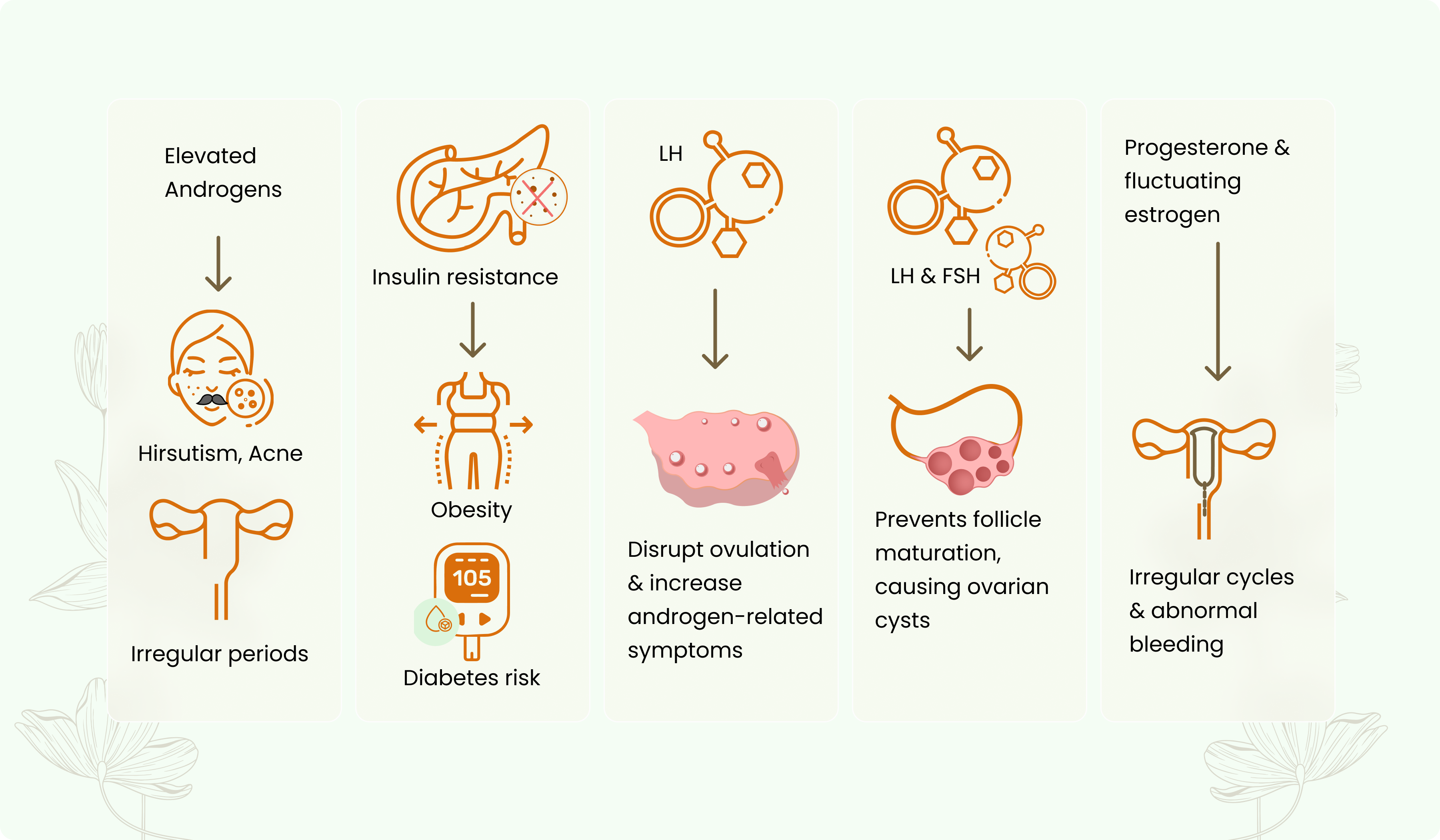
The symptoms of PCOD/PCOS can vary in intensity from mild to severe and often overlap, but they all stem from the hormonal imbalances in the body. Here are the common signs.
- Androgens (Male Hormones): Women with PCOS/PCOD often produce higher-than-normal levels of androgens, including testosterone. While small amounts of androgens are normal, elevated levels in women lead to symptoms like excessive hair growth (hirsutism), acne, and thinning hair. Androgens also prevent the ovaries from releasing eggs regularly, causing irregular periods and cyst formation.
- Insulin: Insulin is a hormone that regulates blood sugar levels. Many women with PCOS/PCOD experience insulin resistance, meaning their bodies struggle to use insulin effectively. As a result, their bodies produce more insulin, which stimulates the ovaries to produce more androgens, further exacerbating the hormonal imbalance. Insulin resistance is also linked to weight gain, especially around the abdomen, and increases the risk of type 2 diabetes.
- Luteinizing Hormone (LH): LH is responsible for triggering ovulation by signaling the release of an egg from the ovaries. In PCOS, LH levels are often elevated, which disrupts the normal menstrual cycle and leads to irregular or absent ovulation. This also increases androgen production, causing additional symptoms like acne and hirsutism.
- Follicle-Stimulating Hormone (FSH): FSH helps in the growth and development of ovarian follicles, each containing an egg. In PCOS/PCOD, the ratio of LH to FSH is often imbalanced, with LH being higher. This imbalance prevents the follicles from maturing properly, leading to the development of cysts in the ovaries instead of releasing eggs.
- Progesterone and Estrogen: In PCOS/PCOD, the production of progesterone is reduced due to irregular or absent ovulation, leading to irregular menstrual cycles. Additionally, estrogen levels may fluctuate, contributing to abnormal bleeding patterns.
Symptoms of PCOD/PCOS
This period focuses on enhancing fetal development, particularly the formation of organs and systems.
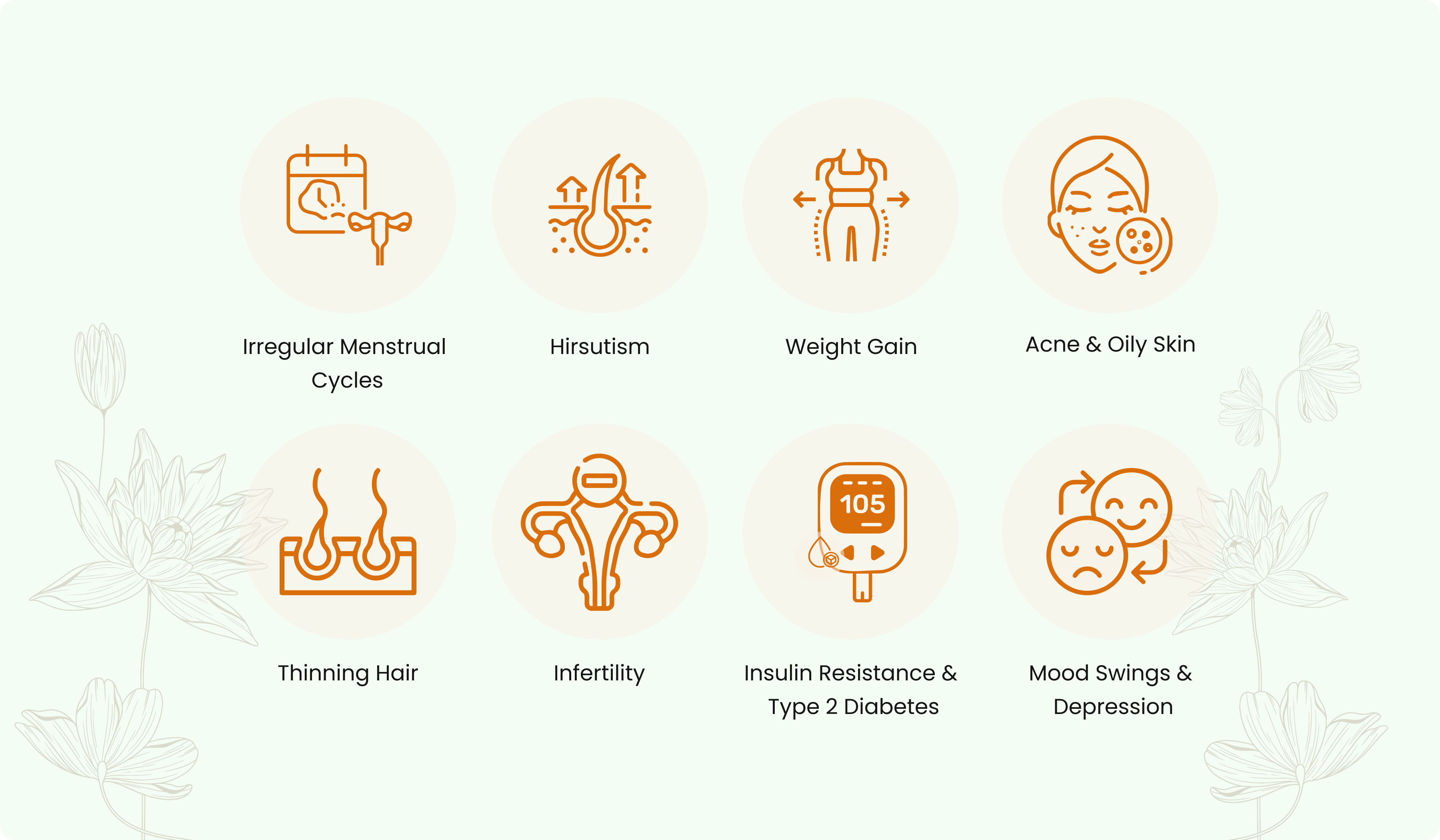
- Irregular Menstrual Cycles: Many women with PCOS/PCOD experience irregular periods or missed periods due to the absence of ovulation. This irregularity can range from fewer than eight periods per year to periods that are heavy or prolonged.
- Hirsutism (Excessive Hair Growth): Due to elevated androgens, women may develop excess hair growth on areas such as the face, chest, back, and abdomen.
- Weight Gain: Unexplained weight gain, particularly around the abdomen, is common in PCOD/PCOS, largely due to insulin resistance and hormonal fluctuations. Women with PCOS/PCOD often struggle to lose weight despite lifestyle changes.
- Acne and Oily Skin: Hormonal acne, which typically occurs on the face, chest, and upper back, is another common symptom due to excess androgen levels. Many women also experience oily skin and other skin problems.
- Thinning Hair: Scalp hair thinning or male-pattern baldness (androgenic alopecia) occurs in women with PCOS/PCOD due to elevated androgen levels.
- Infertility: Ovulatory dysfunction caused by hormonal imbalance leads to difficulty conceiving or infertility in many women with PCOD/PCOS. This is because the ovaries do not release eggs regularly or at all.
- Insulin Resistance and Type 2 Diabetes: Women with PCOS/PCOD are at a higher risk of developing insulin resistance, which can lead to type 2 diabetes.
- ood Swings and Depression: Many women with PCOD/PCOS experience mood swings, anxiety, or depression due to hormonal fluctuations and the challenges posed by managing the condition.
Ayurvedic Understanding of PCOD/PCOS
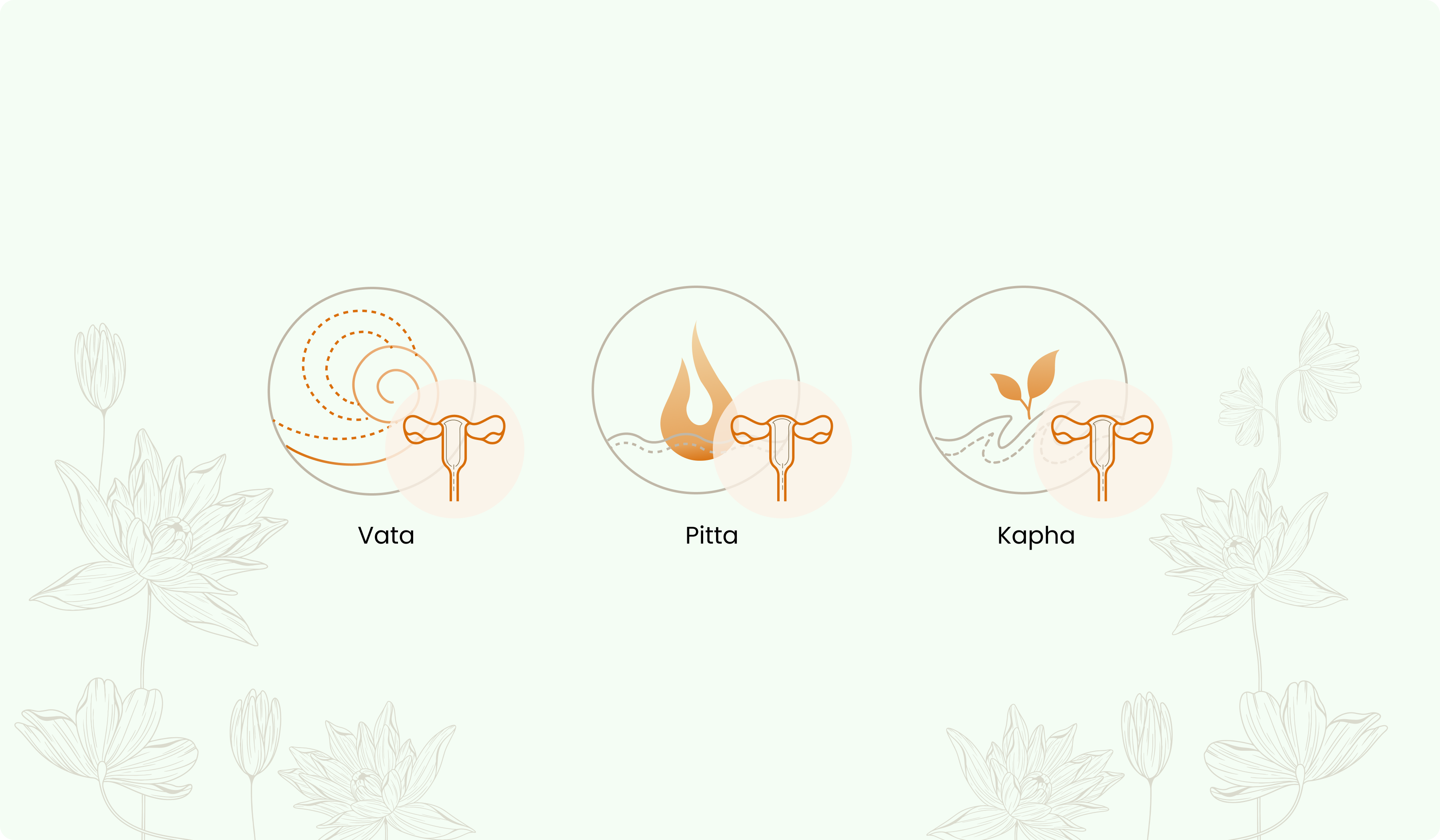
Ayurveda views PCOD/PCOS as a manifestation of imbalances in the body's doshas—Vata, Pitta, and Kapha—with a primary focus on Kapha dosha. The condition is seen as an accumulation of toxins (Ama) and imbalances in the reproductive tissues (Artava Dhatu) due to poor diet, lifestyle, and stress.
- Kapha Dosha Imbalance: Kapha governs structure and stability in the body. An excess of Kapha results in blockages in the channels (srotas) that control the flow of Vata and Pitta, disrupting hormonal balance. This leads to cyst formation, insulin resistance, and weight gain.
- Vata Dosha Imbalance: Vata governs movement and circulation in the body. Its imbalance can cause irregular menstruation and anovulation, as well as stress-related symptoms like anxiety and mood swings. Vata also plays a role in transportation within the body, and when blocked by excess Kapha, it disrupts the normal functioning of the reproductive system.
- Pitta Dosha Imbalance: Pitta is responsible for metabolism and transformation. When out of balance, Pitta can lead to inflammation, acne, and issues with metabolism, such as insulin resistance. High Pitta also aggravates skin conditions and can cause mood swings and irritability.
Ayurvedic Management of PCOD/PCOS
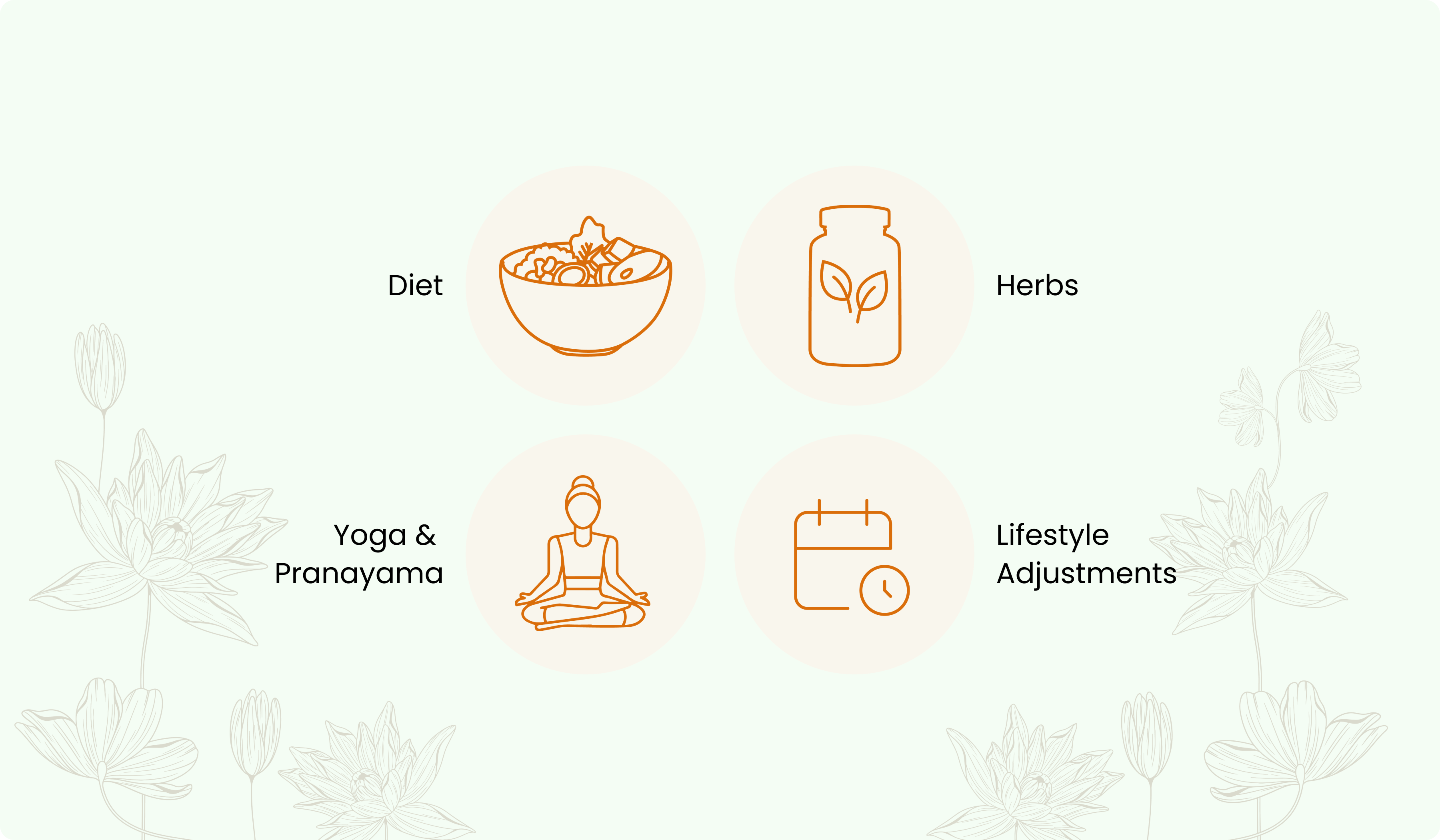
Ayurveda focuses on balancing the doshas and removing toxins from the body to manage PCOD/PCOS. The holistic approach includes dietary changes, herbal remedies, lifestyle adjustments, and yoga practices to restore balance and improve symptoms.
- Diet: A Kapha-pacifying diet is recommended, which includes light, warm foods and avoids heavy, oily, and processed foods. Fresh vegetables, whole grains, and herbs like turmeric and cinnamon help balance blood sugar levels and reduce inflammation.
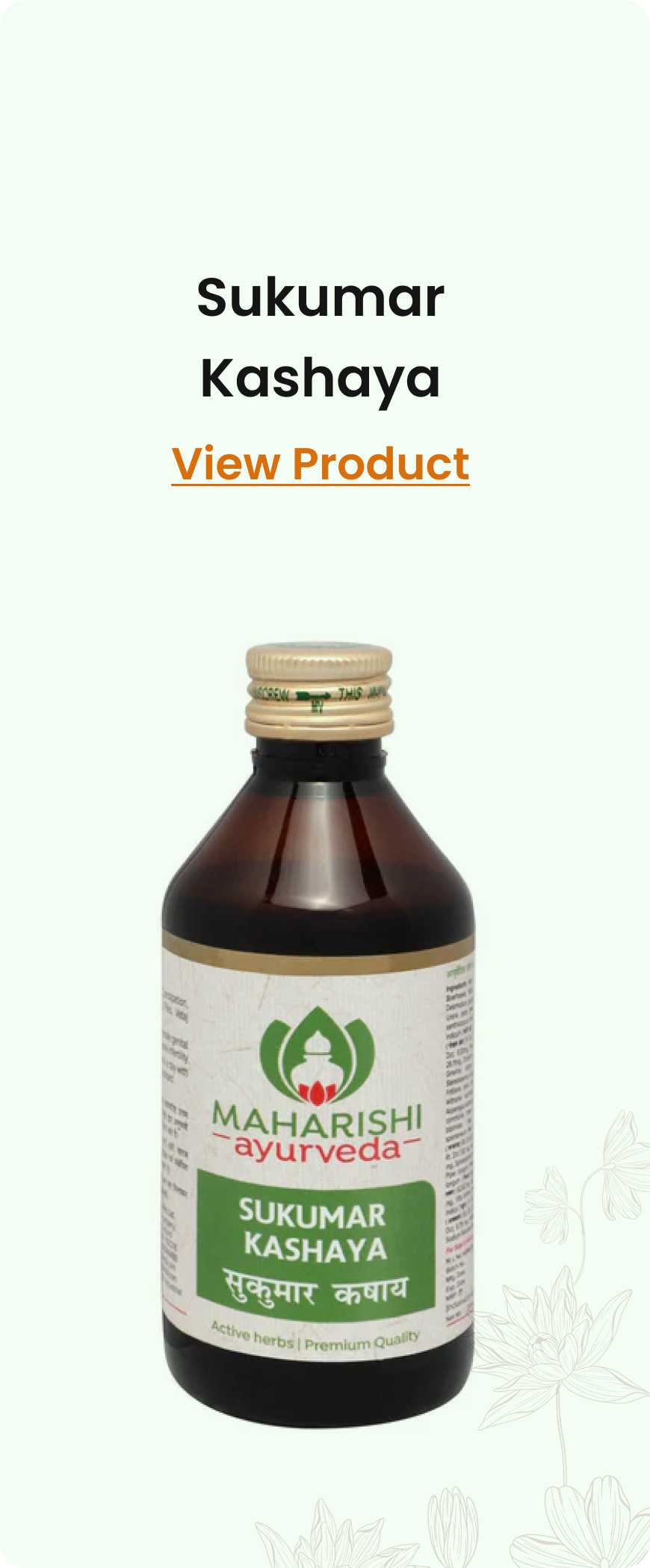
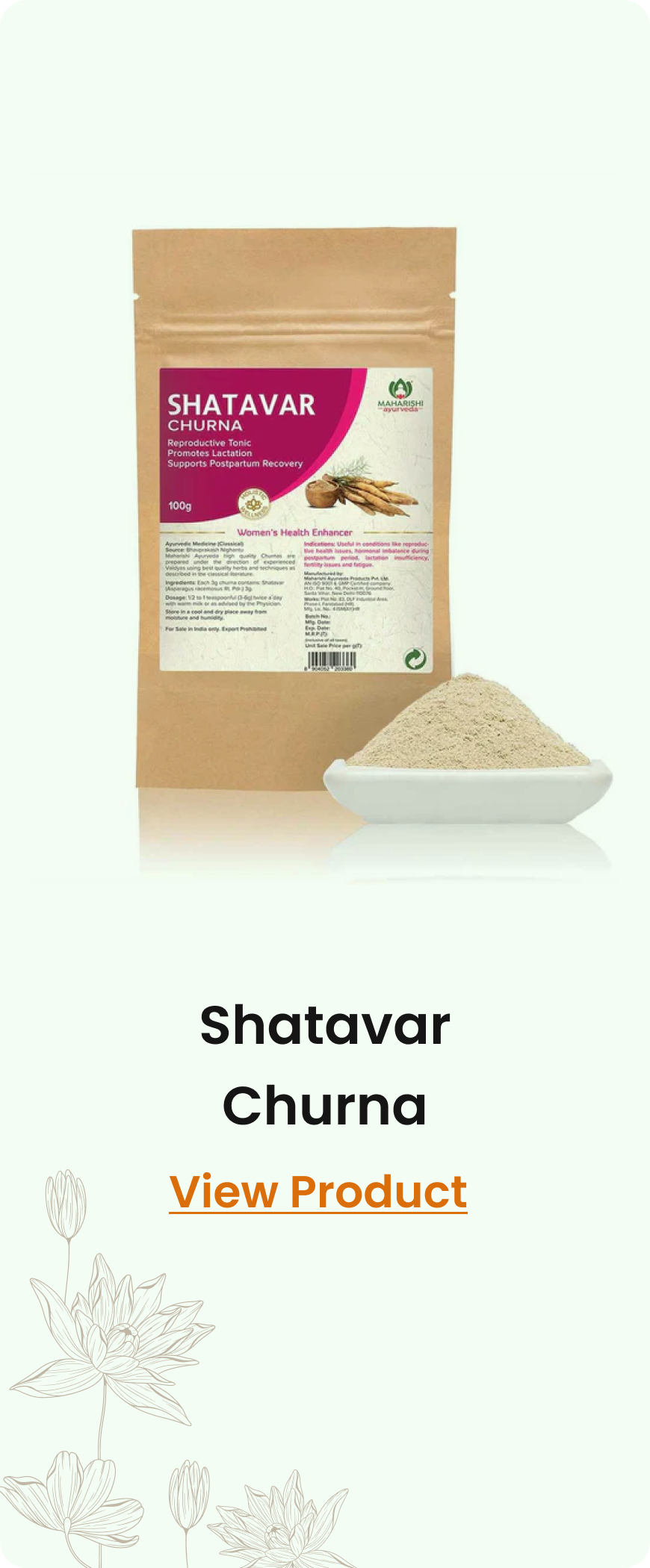
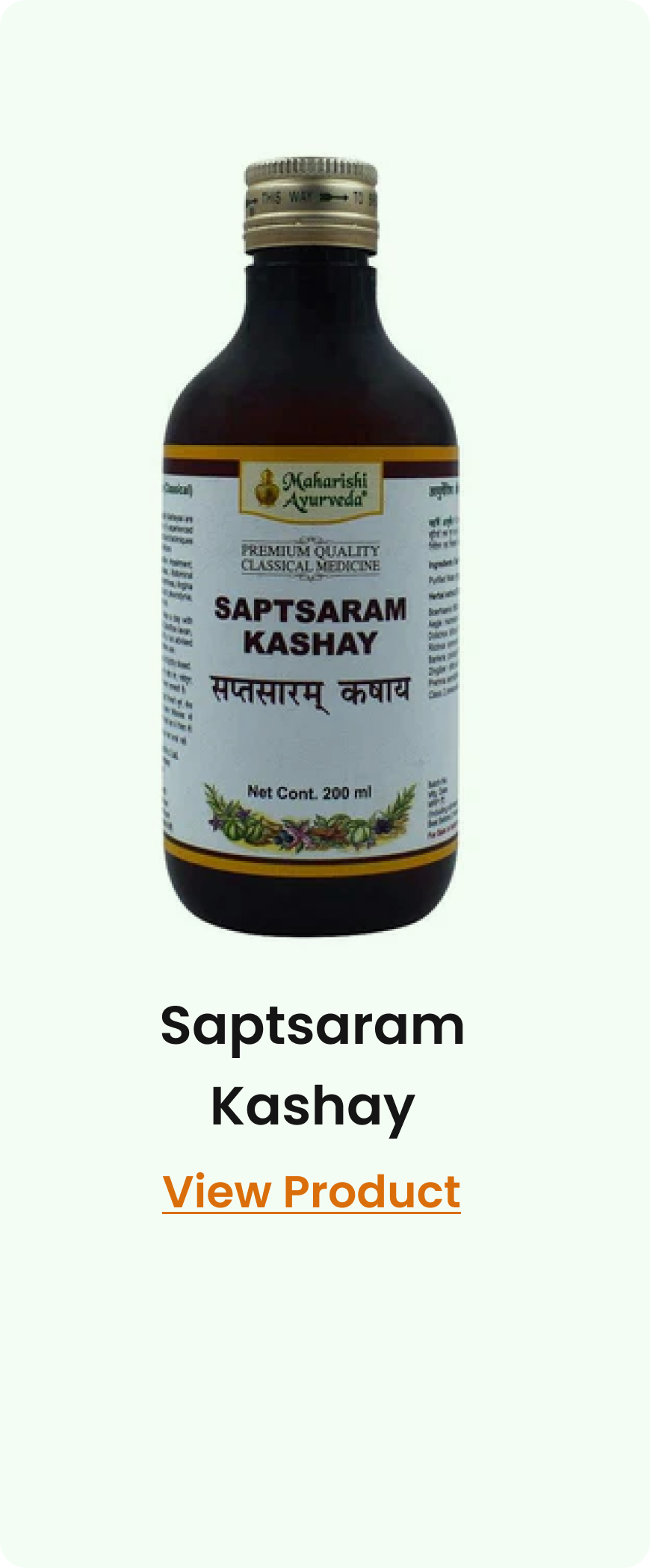
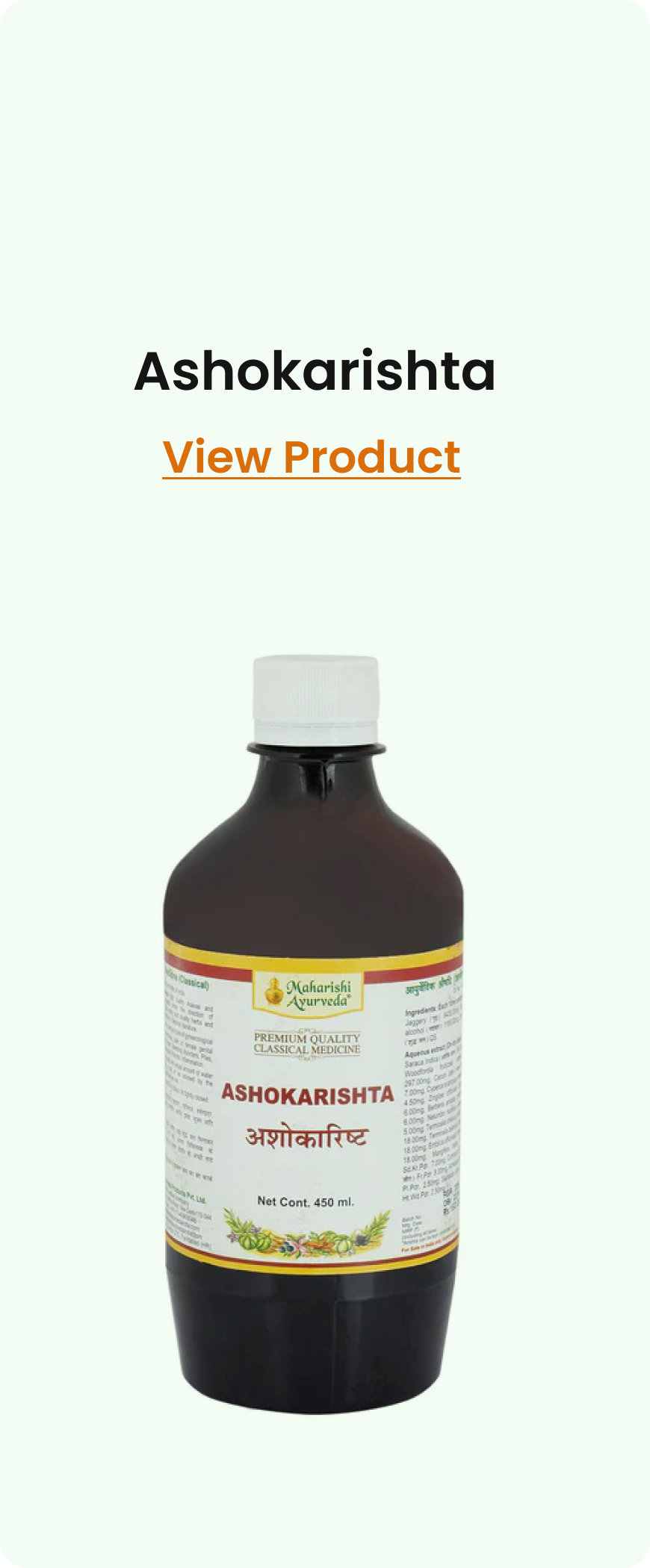
- Herbal Remedies: Ayurvedic herbs such as Shatavari, Ashoka arishta, Saptasara kashayam, Sukumara Kashaya help restore hormonal balance, improve reproductive health, and reduce symptoms like acne, weight gain, and stress.
- Yoga and Pranayama: Specific yoga postures like Bhujangasana (Cobra Pose), Dhanurasana (Bow Pose), and Naukasana (Boat Pose) help stimulate the ovaries and improve blood circulation. Pranayama (breathing exercises) like Nadi Shodhana and Kapalbhati help manage stress and improve overall health.
- Lifestyle Adjustments: Establishing a daily routine (Dinacharya) with regular sleep, moderate exercise, and stress management is vital for long-term relief from PCOD/PCOS symptoms.
Herbal supplements
Disclaimer: Please consult a healthcare professional through AIwell before starting these medications.
Conclusion
PCOD and PCOS are multifaceted conditions primarily caused by hormonal imbalances, which impact various aspects of a woman’s health. Understanding the roles of androgens, insulin, LH, FSH, and other hormones helps clarify why symptoms like irregular periods, weight gain, and infertility occur. From an Ayurvedic perspective, balancing the doshas through diet, lifestyle, and herbal remedies can significantly alleviate the symptoms and restore health. Managing these conditions early, with a combination of modern medicine and Ayurveda, can lead to a more balanced and healthier life for women struggling with PCOD/PCOS.